Blog

Lawyers spend an average of 2.5 hours a day on billable work. The rest of the day disappears into admin, email, meetings, and phone calls that never quite make it into the time-tracking system. The Legal Trends Report has been publishing versions of this number for years and it barely moves.
Most of the leakage happens in small, invisible pieces. A fifteen-minute call from a client on the drive home. A voicemail checked between hearings and never returned. A new inquiry came in at 6:45pm and went to a dead line. None of these feel like a problem on their own. Together, they're the difference between a healthy firm and a struggling one.
This is why the legal sector is quietly moving off traditional office phone systems and onto Cloud PBX. Not for the technology. For what the technology recovers
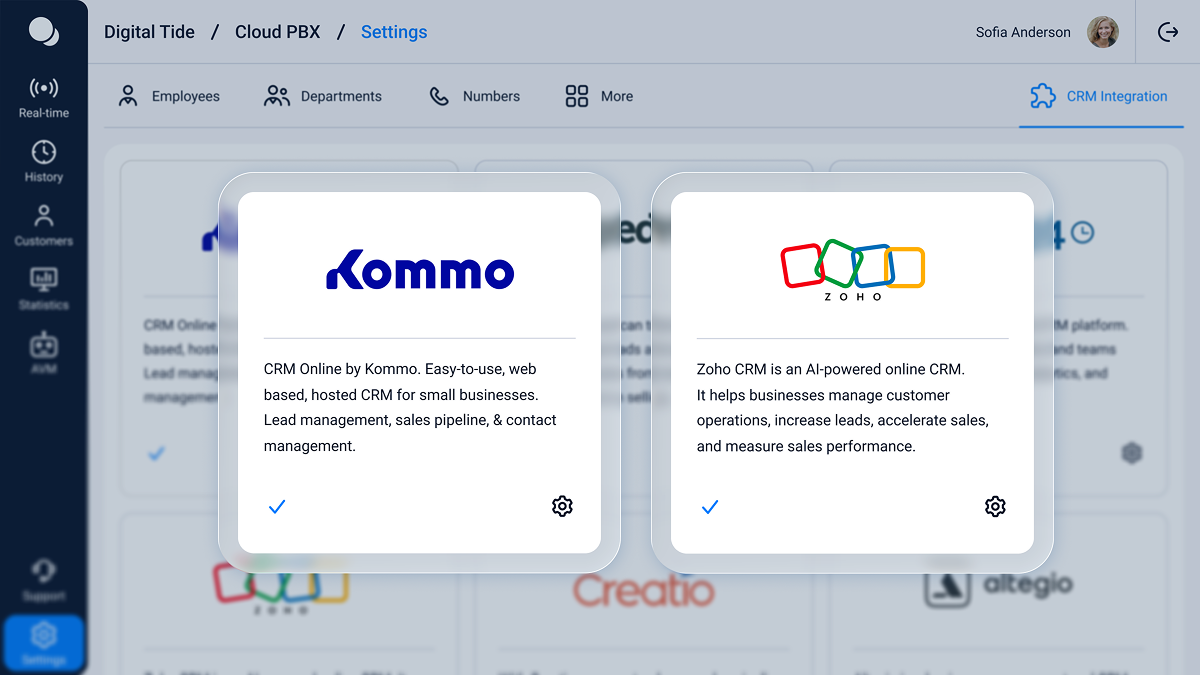

Attorneys work from wherever the case is. The office is only one of those places. Being reachable to clients used to mean giving out a personal mobile number and hoping the client used it sensibly.
That approach creates two problems the firm carries. The first is professional: personal numbers blur the line between attorney availability and attorney private time. The second is more serious: privileged client communication that happens on a personal device sits outside the firm's official systems. If a dispute arises, or a regulator asks how client data is handled, that gap becomes a real exposure.
Cloud PBX solves this at the app level. An attorney downloads the firm's app to their personal phone. Calls made through the app show the firm's office number to the client. Voicemails route to the firm's system, not the attorney's personal handset. Recordings, where enabled, are captured under the firm's account.
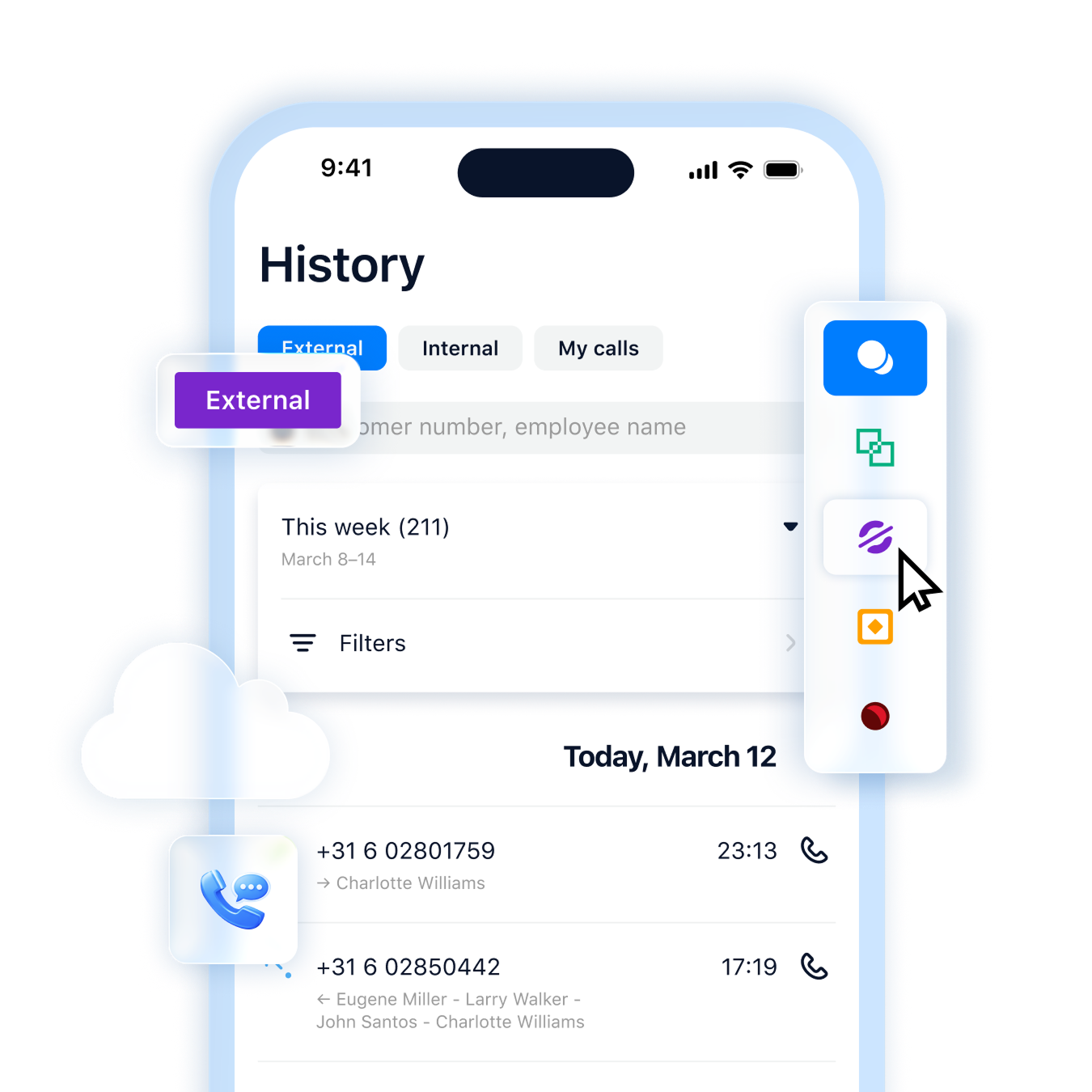
Firms lose more business to missed calls than to lost pitches. A partner in court cannot answer the phone. A senior associate in a meeting will not interrupt it for a ringing line. The receptionist takes a message, emails it to the attorney, and the attorney sees it three hours later. By then the client has called two other firms.
Cloud PBX gives lawyers three tools to close this gap.
The first is voicemail-to-email with transcription. Voicemails arrive in the attorney's inbox as an audio file and a written transcript. A partner in a two-hour hearing can glance at the transcript during a recess and know within seconds whether it's urgent. Nothing waits until 5pm.
The second is intelligent routing. If the attorney the client is asking for is unavailable, the call routes to a colleague, a paralegal, or a partner-defined message automatically. This is based on rules the firm sets. Clients rarely hang up on a helpful human. They always hang up on an unanswered ring.
The third is scheduled after-hours coverage. New client enquiries do not politely arrive between 9 and 5. Cloud PBX lets the firm define what happens to calls that come in on evenings, weekends, and holidays. An on-call attorney, a night answering service, a promise of a callback within an hour — any of these convert calls that would otherwise be lost.
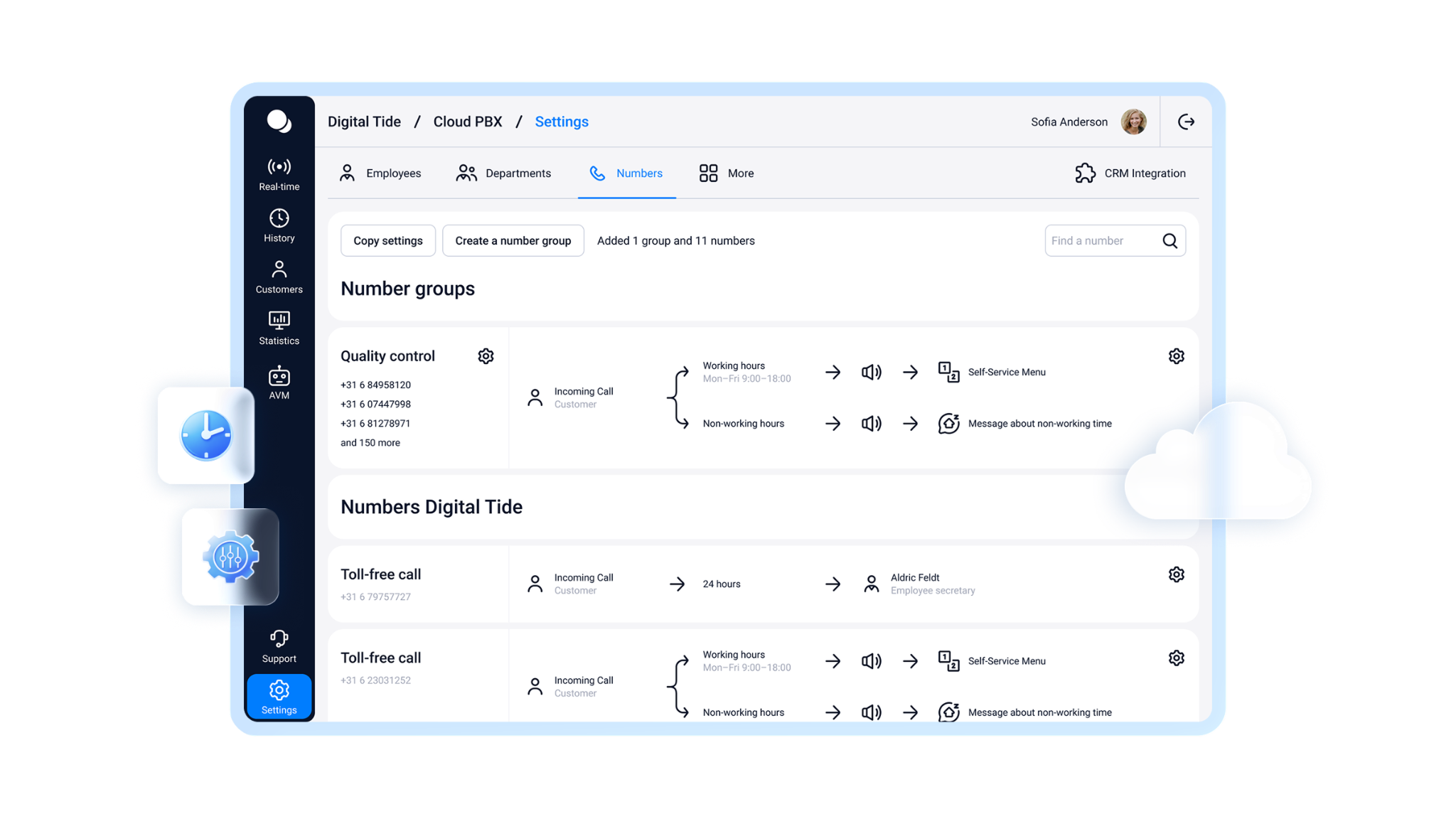

Legal disputes hinge on what was said. A lawyer's notes are their word against the client's. A recording is evidence.
Cloud PBX makes call recording a policy setting, not a technical project. The firm can choose to record all external calls, only calls with certain clients, or on demand. Recordings are encrypted and stored in the firm's tenant on the cloud, retrievable through the admin panel when needed. Before recording begins, the system plays a notification message to the caller — which handles the two-party consent requirement in most jurisdictions and removes any ambiguity about client awareness.
For firms operating under POPIA in South Africa, GDPR in the EU, PDPPL in Qatar, or comparable data protection frameworks in other markets, the recording itself is only part of what matters. What regulators actually ask for is the audit trail: who accessed which recording, when, and what they did with it. Modern Cloud PBX systems maintain this log automatically.
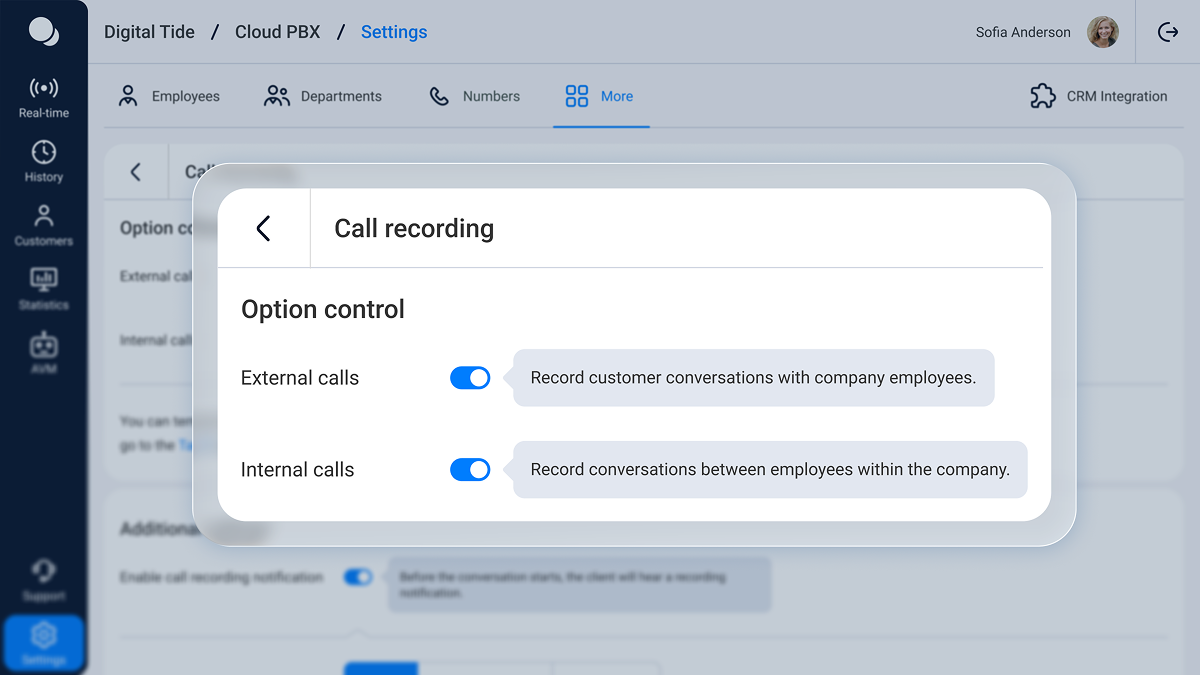
Ask most managing partners how many client calls the firm missed yesterday and they will guess. They cannot count, because the information does not exist anywhere they can see it.
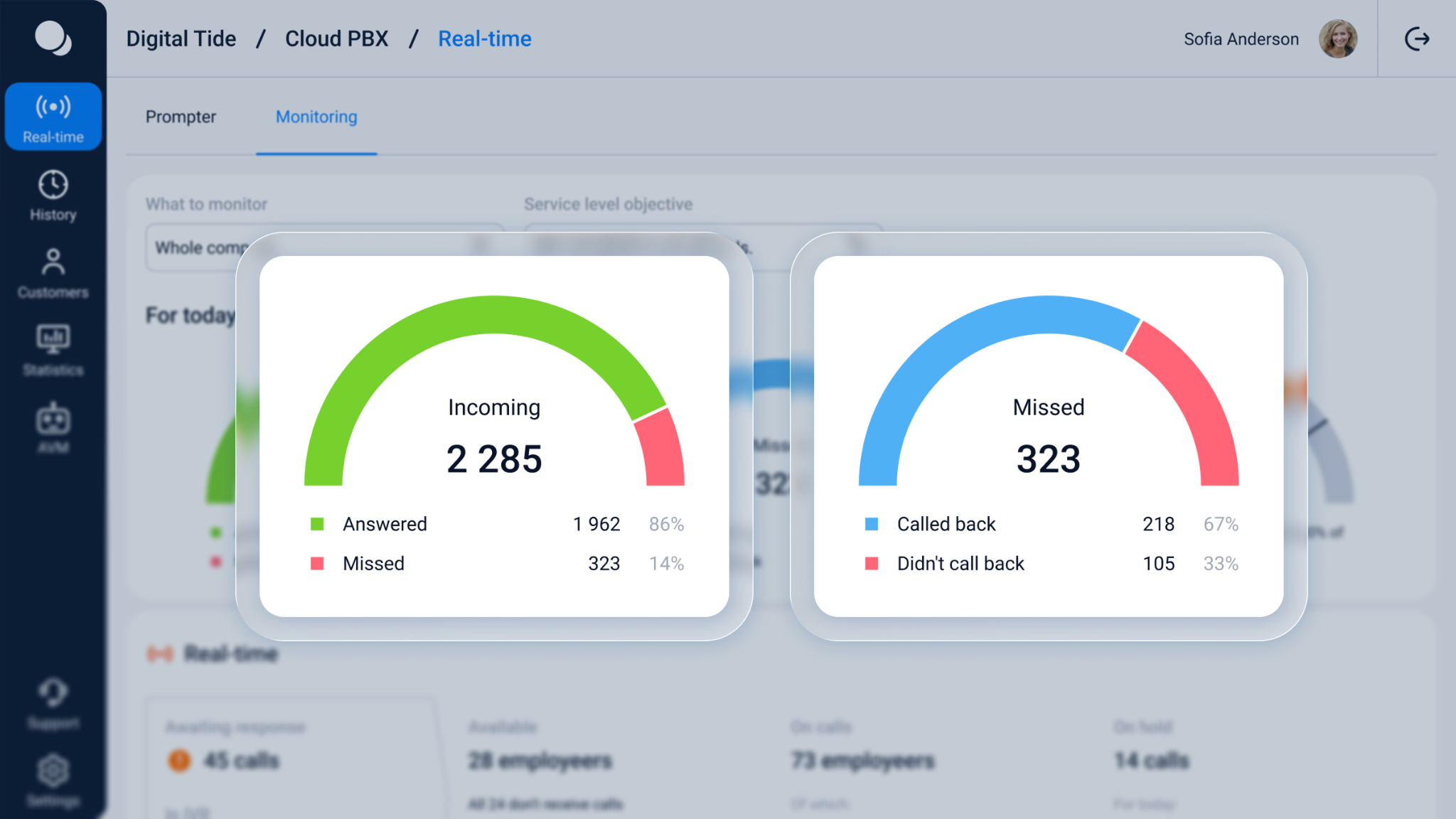
Cloud PBX changes this with a real-time dashboard that shows the firm's phone activity as it happens. Incoming calls. Missed calls. Average pickup time. Which attorneys are on calls, which are available, how long clients are waiting before someone answers. For a single-office firm this is useful. For a firm with satellite offices across a country or region, it is the only way to know whether the branch in another city is actually picking up the phone.
Cloud PBX is offered by most major telecom operators and by a growing number of specialist providers. The features described above are broadly available across the market. What varies is quality of integration, quality of the mobile app, and quality of support.
Before signing, ask any prospective provider four questions:
Does the system integrate with our existing practice management software or CRM natively? If the answer is "we can build a custom integration," expect delays and costs. If the answer names your specific software, you are in good shape.
How does the mobile app handle after-hours calls, and can attorneys use it on personal phones without exposing their personal number? Test this on a demo before signing. Not all providers handle it well.
Where are call recordings stored, who has access, and what does the audit log show? For any firm operating under a data protection regime, this is a compliance question, not a technical one. Get the answer in writing.
What happens if the office loses power or internet? In some markets this is theoretical. In others it is weekly reality. The answer should be automatic call redirection to mobile devices with no manual intervention.
Firms that ask these questions upfront rarely regret their choice of provider. Firms that do not ask them often find out the answers the hard way.
Cloud PBX will not solve every problem a law firm has. It will not fix bad hiring, poor case management, or a weak client experience. But it will stop the phone system from being one of the reasons the firm loses revenue every week — which, for most firms evaluating this decision, is exactly the point.



Lawyers lose hours every week to unlogged calls, missed messages, and phone systems that don't fit how a modern firm actually works. This article breaks down how Cloud PBX helps firms recover lost billable time, keep attorney numbers private, never miss a client call, and stay audit-ready with compliant call recording, backed by real-time visibility into what the phone system is actually doing.
Lawyers spend an average of 2.5 hours a day on billable work. The rest of the day disappears into admin, email, meetings, and phone calls that never quite make it into the time-tracking system. The Legal Trends Report has been publishing versions of this number for years and it barely moves.
Most of the leakage happens in small, invisible pieces. A fifteen-minute call from a client on the drive home. A voicemail checked between hearings and never returned. A new inquiry came in at 6:45pm and went to a dead line. None of these feel like a problem on their own. Together, they're the difference between a healthy firm and a struggling one.
This is why the legal sector is quietly moving off traditional office phone systems and onto Cloud PBX. Not for the technology. For what the technology recovers
Attorneys work from wherever the case is. The office is only one of those places. Being reachable to clients used to mean giving out a personal mobile number and hoping the client used it sensibly.
That approach creates two problems the firm carries. The first is professional: personal numbers blur the line between attorney availability and attorney private time. The second is more serious: privileged client communication that happens on a personal device sits outside the firm's official systems. If a dispute arises, or a regulator asks how client data is handled, that gap becomes a real exposure.
Cloud PBX solves this at the app level. An attorney downloads the firm's app to their personal phone. Calls made through the app show the firm's office number to the client. Voicemails route to the firm's system, not the attorney's personal handset. Recordings, where enabled, are captured under the firm's account.
Firms lose more business to missed calls than to lost pitches. A partner in court cannot answer the phone. A senior associate in a meeting will not interrupt it for a ringing line. The receptionist takes a message, emails it to the attorney, and the attorney sees it three hours later. By then the client has called two other firms.
Cloud PBX gives lawyers three tools to close this gap.
The first is voicemail-to-email with transcription. Voicemails arrive in the attorney's inbox as an audio file and a written transcript. A partner in a two-hour hearing can glance at the transcript during a recess and know within seconds whether it's urgent. Nothing waits until 5pm.
The second is intelligent routing. If the attorney the client is asking for is unavailable, the call routes to a colleague, a paralegal, or a partner-defined message automatically. This is based on rules the firm sets. Clients rarely hang up on a helpful human. They always hang up on an unanswered ring.
The third is scheduled after-hours coverage. New client enquiries do not politely arrive between 9 and 5. Cloud PBX lets the firm define what happens to calls that come in on evenings, weekends, and holidays. An on-call attorney, a night answering service, a promise of a callback within an hour — any of these convert calls that would otherwise be lost.
Legal disputes hinge on what was said. A lawyer's notes are their word against the client's. A recording is evidence.
Cloud PBX makes call recording a policy setting, not a technical project. The firm can choose to record all external calls, only calls with certain clients, or on demand. Recordings are encrypted and stored in the firm's tenant on the cloud, retrievable through the admin panel when needed. Before recording begins, the system plays a notification message to the caller — which handles the two-party consent requirement in most jurisdictions and removes any ambiguity about client awareness.
For firms operating under POPIA in South Africa, GDPR in the EU, PDPPL in Qatar, or comparable data protection frameworks in other markets, the recording itself is only part of what matters. What regulators actually ask for is the audit trail: who accessed which recording, when, and what they did with it. Modern Cloud PBX systems maintain this log automatically.
Ask most managing partners how many client calls the firm missed yesterday and they will guess. They cannot count, because the information does not exist anywhere they can see it.
Cloud PBX changes this with a real-time dashboard that shows the firm's phone activity as it happens. Incoming calls. Missed calls. Average pickup time. Which attorneys are on calls, which are available, how long clients are waiting before someone answers. For a single-office firm this is useful. For a firm with satellite offices across a country or region, it is the only way to know whether the branch in another city is actually picking up the phone.
Cloud PBX is offered by most major telecom operators and by a growing number of specialist providers. The features described above are broadly available across the market. What varies is quality of integration, quality of the mobile app, and quality of support.
Before signing, ask any prospective provider four questions:
Does the system integrate with our existing practice management software or CRM natively? If the answer is "we can build a custom integration," expect delays and costs. If the answer names your specific software, you are in good shape.
How does the mobile app handle after-hours calls, and can attorneys use it on personal phones without exposing their personal number? Test this on a demo before signing. Not all providers handle it well.
Where are call recordings stored, who has access, and what does the audit log show? For any firm operating under a data protection regime, this is a compliance question, not a technical one. Get the answer in writing.
What happens if the office loses power or internet? In some markets this is theoretical. In others it is weekly reality. The answer should be automatic call redirection to mobile devices with no manual intervention.
Firms that ask these questions upfront rarely regret their choice of provider. Firms that do not ask them often find out the answers the hard way.
Cloud PBX will not solve every problem a law firm has. It will not fix bad hiring, poor case management, or a weak client experience. But it will stop the phone system from being one of the reasons the firm loses revenue every week — which, for most firms evaluating this decision, is exactly the point.
Lawyers lose hours every week to unlogged calls, missed messages, and phone systems that don't fit how a modern firm actually works. This article breaks down how Cloud PBX helps firms recover lost billable time, keep attorney numbers private, never miss a client call, and stay audit-ready with compliant call recording, backed by real-time visibility into what the phone system is actually doing.
Lawyers spend an average of 2.5 hours a day on billable work. The rest of the day disappears into admin, email, meetings, and phone calls that never quite make it into the time-tracking system. The Legal Trends Report has been publishing versions of this number for years and it barely moves.
Most of the leakage happens in small, invisible pieces. A fifteen-minute call from a client on the drive home. A voicemail checked between hearings and never returned. A new inquiry came in at 6:45pm and went to a dead line. None of these feel like a problem on their own. Together, they're the difference between a healthy firm and a struggling one.
This is why the legal sector is quietly moving off traditional office phone systems and onto Cloud PBX. Not for the technology. For what the technology recovers

Attorneys work from wherever the case is. The office is only one of those places. Being reachable to clients used to mean giving out a personal mobile number and hoping the client used it sensibly.
That approach creates two problems the firm carries. The first is professional: personal numbers blur the line between attorney availability and attorney private time. The second is more serious: privileged client communication that happens on a personal device sits outside the firm's official systems. If a dispute arises, or a regulator asks how client data is handled, that gap becomes a real exposure.
Cloud PBX solves this at the app level. An attorney downloads the firm's app to their personal phone. Calls made through the app show the firm's office number to the client. Voicemails route to the firm's system, not the attorney's personal handset. Recordings, where enabled, are captured under the firm's account.
Firms lose more business to missed calls than to lost pitches. A partner in court cannot answer the phone. A senior associate in a meeting will not interrupt it for a ringing line. The receptionist takes a message, emails it to the attorney, and the attorney sees it three hours later. By then the client has called two other firms.
Cloud PBX gives lawyers three tools to close this gap.
The first is voicemail-to-email with transcription. Voicemails arrive in the attorney's inbox as an audio file and a written transcript. A partner in a two-hour hearing can glance at the transcript during a recess and know within seconds whether it's urgent. Nothing waits until 5pm.
The second is intelligent routing. If the attorney the client is asking for is unavailable, the call routes to a colleague, a paralegal, or a partner-defined message automatically. This is based on rules the firm sets. Clients rarely hang up on a helpful human. They always hang up on an unanswered ring.
The third is scheduled after-hours coverage. New client enquiries do not politely arrive between 9 and 5. Cloud PBX lets the firm define what happens to calls that come in on evenings, weekends, and holidays. An on-call attorney, a night answering service, a promise of a callback within an hour — any of these convert calls that would otherwise be lost.
Legal disputes hinge on what was said. A lawyer's notes are their word against the client's. A recording is evidence.
Cloud PBX makes call recording a policy setting, not a technical project. The firm can choose to record all external calls, only calls with certain clients, or on demand. Recordings are encrypted and stored in the firm's tenant on the cloud, retrievable through the admin panel when needed. Before recording begins, the system plays a notification message to the caller — which handles the two-party consent requirement in most jurisdictions and removes any ambiguity about client awareness.
For firms operating under POPIA in South Africa, GDPR in the EU, PDPPL in Qatar, or comparable data protection frameworks in other markets, the recording itself is only part of what matters. What regulators actually ask for is the audit trail: who accessed which recording, when, and what they did with it. Modern Cloud PBX systems maintain this log automatically.
Ask most managing partners how many client calls the firm missed yesterday and they will guess. They cannot count, because the information does not exist anywhere they can see it.
Cloud PBX changes this with a real-time dashboard that shows the firm's phone activity as it happens. Incoming calls. Missed calls. Average pickup time. Which attorneys are on calls, which are available, how long clients are waiting before someone answers. For a single-office firm this is useful. For a firm with satellite offices across a country or region, it is the only way to know whether the branch in another city is actually picking up the phone.

Cloud PBX is offered by most major telecom operators and by a growing number of specialist providers. The features described above are broadly available across the market. What varies is quality of integration, quality of the mobile app, and quality of support.
Before signing, ask any prospective provider four questions:
Does the system integrate with our existing practice management software or CRM natively? If the answer is "we can build a custom integration," expect delays and costs. If the answer names your specific software, you are in good shape.
How does the mobile app handle after-hours calls, and can attorneys use it on personal phones without exposing their personal number? Test this on a demo before signing. Not all providers handle it well.
Where are call recordings stored, who has access, and what does the audit log show? For any firm operating under a data protection regime, this is a compliance question, not a technical one. Get the answer in writing.
What happens if the office loses power or internet? In some markets this is theoretical. In others it is weekly reality. The answer should be automatic call redirection to mobile devices with no manual intervention.
Firms that ask these questions upfront rarely regret their choice of provider. Firms that do not ask them often find out the answers the hard way.
Cloud PBX will not solve every problem a law firm has. It will not fix bad hiring, poor case management, or a weak client experience. But it will stop the phone system from being one of the reasons the firm loses revenue every week — which, for most firms evaluating this decision, is exactly the point.
Únase a nuestro boletín: actualizaciones sencillas y útiles sobre telecomunicaciones y PBX en la nube
Actualizaciones sencillas y útiles sobre telecomunicaciones y PBX en la nube
Actualizaciones sencillas y útiles sobre telecomunicaciones y PBX en la nube





.png)


